
Two briefs land on the same desk.
The first is a product page. One shoe. One set. If the file is beautiful and honest, the page can ship.
The second is a story. A child, a moth, a garden. If you only receive one frame, someone will ask where the rest of the book went.
/image and /images look like a typo. They are those two briefs. Pick the wrong one and you do not get a slightly worse picture. You spend the afternoon gluing strangers into a family, or cropping a storyboard into a hero that never wanted to be alone.
Both finish in the Image Editor. Both are rasters. The difference is whether sameness is the job.
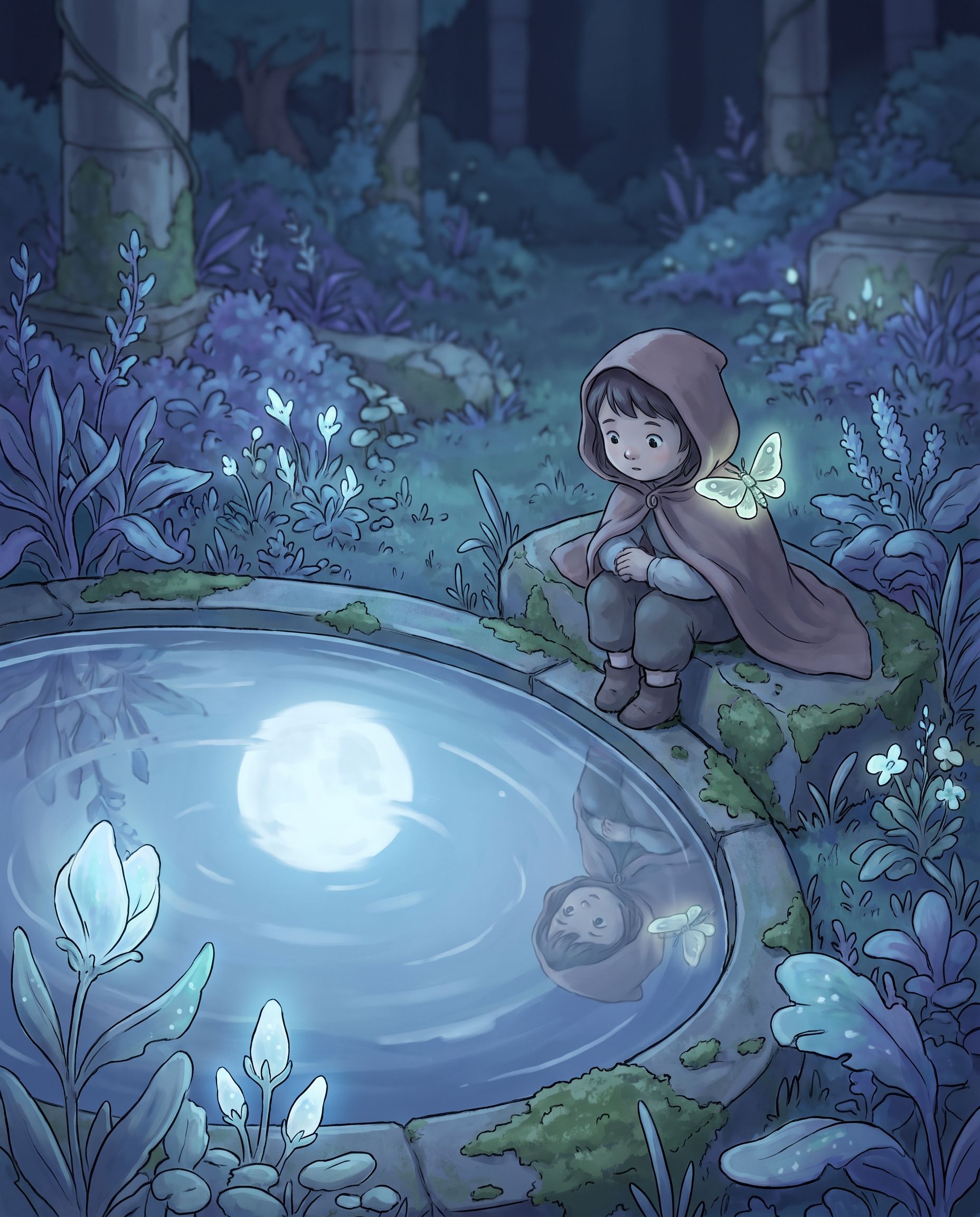
The picture at the top is one frame from the story brief: a world that has to stay together, not a lone hero cropped out of a book.
The landing page only needs one still
Hang it. Drop it into a campaign board. Open it, correct a highlight, export. Done.
Design an unbranded teal running shoe hero image on a warm orange sculptural set with accurate materials, crisp studio light, and no readable text or logos.
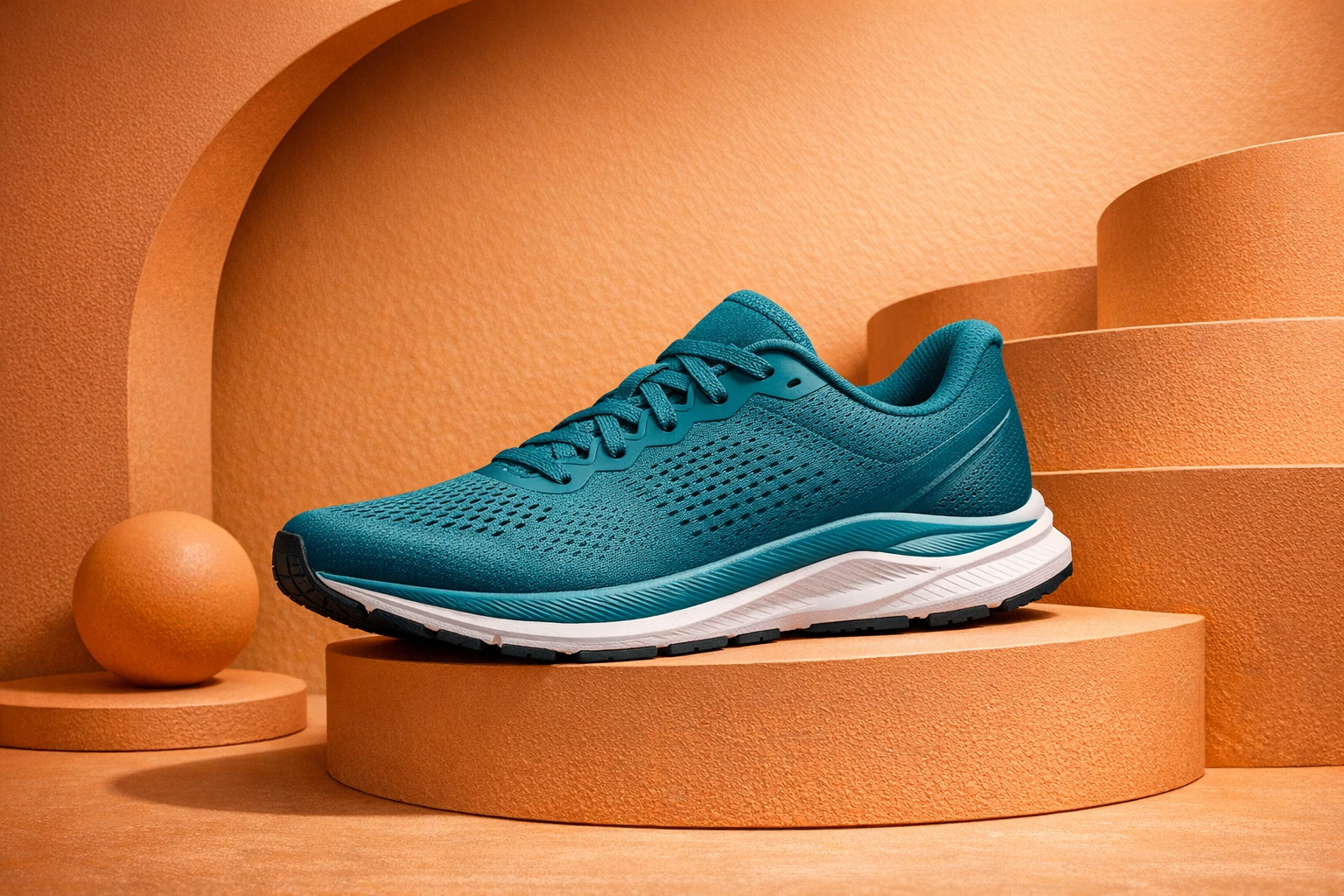
There is one object. One set. No headline in the pixels — the words will live on the page. Nobody asked for four matching angles. If they ask for options later, run /image again with a new sentence. Do not promote a hero into /images just because someone said “variations.”
The same Friday, a restaurant might need this instead of a shoe: one plate, window light, no fake menu.
That is still /image. A dish hero is a landing, not a cookbook.
The story cannot live in one frame
A garden at night. A child in a coat. A moth that has to be the same moth on page four.
If the faces change, the book breaks. If the light changes, it is four different nights. A single pretty frame would not finish the brief. The count is not flavor. It is the deliverable.
Build four consistent moon-garden story scenes with the same child, moth guide, palette, and environment, with no readable text or logos.
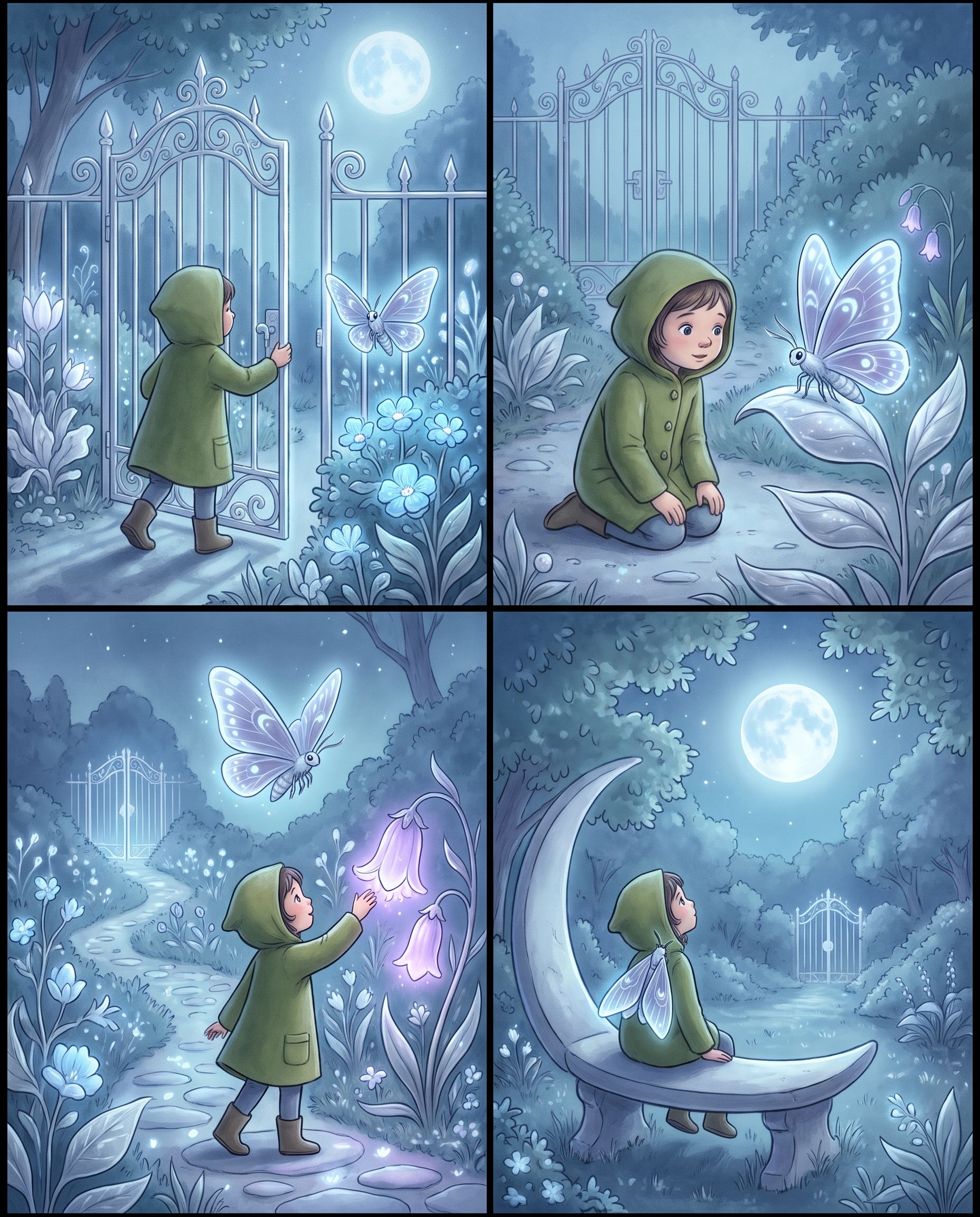


Write what must stay the same before you write what should feel magical. “Same child, moth, palette, environment.” That sentence is the product. “A series of cool images” is how you get four arguments.
The expensive afternoon
You already know the cheap version of this mistake. You run /image four times and call it a set. You get four pictures. You do not get one world. Then you spend an hour in the editor trying to make strangers related.
The other mistake is using /images to explore style. Exploration is several honest /image requests, or a moodboard Space when you are comparing directions. A set that is secretly a style test looks like four people who did not agree.
And if the sequence itself is the product — slides, captions you will rewrite at 4 p.m. — you wanted /carousel. /images will fight you. Rasters do not keep native copy.
Ask this out loud before you type:
If I only received one file, would the job be done?
Yes. /image.
No — I would ask where the other frames are. /images.
Then the second question:
Do the words still need to move?
Yes. Leave the rasters. Use /poster, /flyer, or /carousel.
What the sentence is for
For the shoe: name the object, the set, and the things the model must not invent. “Unbranded.” “No readable text.” “No logos.”
For the garden: name the count, then the shared world, then what is allowed to change. Options are not a set. “Make it pop” is not a brief.
Neither command should invent a brand mark, a price, or a listing amenity. Supply those or leave them out. /asset is not a synonym. If you mean a photograph of a shoe, say /image.
When the files land, stay in the Image Editor for pixels. Move to the Design Editor when type or a reserved field is the next job — that is What the Design Editor is for, and often poster, flyer, or banner. If the still has to move, that is /video, not a prettier /image — How to ask for video without getting a still. If you need a flyer, a carousel, and a reel on the same sources, that is a Space kit — not a bigger /images request.
The rest of the language is in What AskGL is. The rest of the commands are in the command list. Today you only have to decide: landing, or world.
Then open Ask and name it.
Frequently asked questions
Can I run /image four times instead of /images?
You can, but you will fight consistency on every run. /images exists so the set shares a world.
Is /images a carousel?
No. /images is rasters. /carousel is an editable slide set with native copy.
Which editor do these open?
Both finish in the Image Editor. Layouts, posters, and carousels finish in the Design Editor.

